
PromeAI: review, pricing and alternatives
What is PromeAI? An Overview
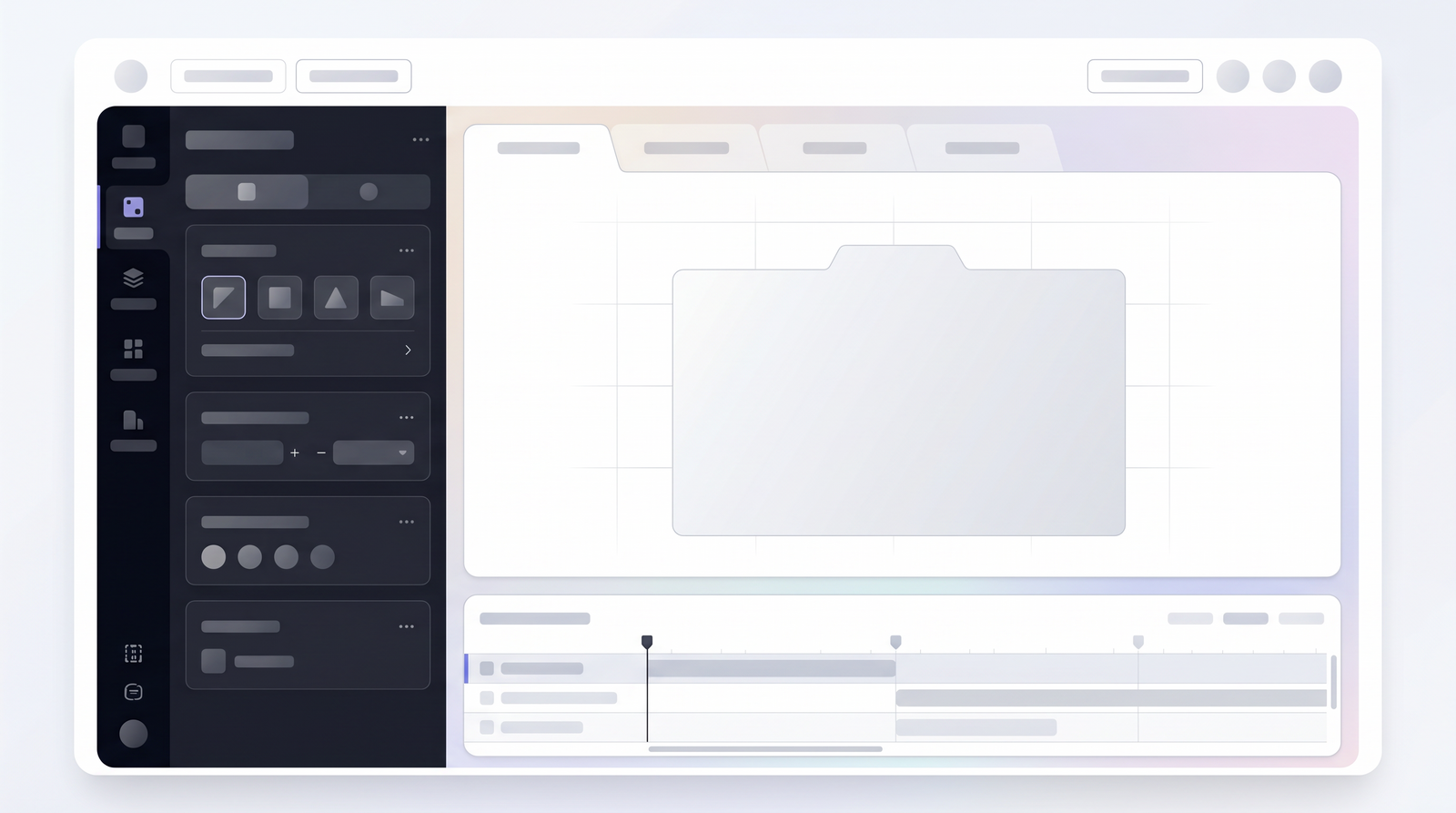
When I first encountered PromeAI, I was immediately struck by its ambitious goal: to bridge the gap between initial concepts and polished visual outputs using artificial intelligence. At its core, PromeAI positions itself as an advanced AI art and video generator. It’s designed to take a variety of inputs—from the simplest hand-drawn sketches and detailed text descriptions to more complex 3D models—and transform them into high-quality visual content. Think of it as a creative assistant that can interpret your ideas and render them in a visually compelling way, whether you're aiming for photorealistic images, stylized illustrations, or even animated videos.
My experience with PromeAI suggests it’s built for anyone looking to visualize their ideas quickly and efficiently, without needing extensive traditional graphic design or rendering skills. Its primary function revolves around generating stunning AI art, intricate 3D renderings, diverse illustrations, and even AI-powered fashion models. The platform aims to democratize access to sophisticated visual creation, making it accessible to a broader audience than just seasoned professionals.
The target audience for PromeAI is quite broad, encompassing professionals like architects, interior designers, product designers, and content creators, but also extending to hobbyists and students. If you’re in a field where visualizing concepts is crucial, or if you simply want to bring your imaginative ideas to life without a steep learning curve, PromeAI is certainly trying to catch your attention. It promises to transform rudimentary inputs into something visually impressive, acting as a powerful tool for rapid prototyping and conceptualization.
Ultimately, PromeAI is an AI-driven platform focused on visual generation. It takes your raw ideas—be they textual, sketched, or modeled—and leverages AI algorithms to produce a range of visual outputs, from still images to dynamic videos. It’s a tool for transforming abstract thoughts into concrete, high-quality visuals, aiming to streamline the creative process for a diverse user base.
Key Features: Transforming Ideas into Visuals
What I keep coming back to with PromeAI is its diverse suite of features, all centered around visual transformation. The most prominent capability that caught my eye is its sketch-to-image rendering. You can literally draw a rough outline or a basic sketch, and PromeAI will interpret it, adding texture, lighting, and detail to produce a much more refined and often photorealistic image. This is incredibly powerful for designers who need to quickly visualize concepts without spending hours on rendering.
Beyond sketches, PromeAI excels in text-to-image generation. This feature allows you to describe what you want to see using natural language prompts, and the AI will generate corresponding images. Whether you need a specific type of landscape, a character, or an abstract concept, typing out a description can yield surprising and high-quality results. I found this particularly useful for brainstorming and exploring different visual styles based purely on textual input.
The platform also offers robust 3D rendering capabilities. If you have a 3D model, PromeAI can enhance its rendering, applying various materials, lighting conditions, and environmental effects to create stunning, realistic outputs. This is a significant advantage for architects and product designers who need to present their models in a compelling, lifelike manner. Furthermore, PromeAI includes features for generating AI fashion models, which is a niche but highly valuable tool for the fashion industry, allowing designers to visualize garments on diverse virtual models without expensive photoshoots.
Lastly, its video creation features allow you to transform static images or concepts into dynamic visual narratives. This extends its utility beyond still images, enabling users to create walkthroughs, presentations, or short animations. Across all these features, PromeAI consistently aims to produce high-quality, realistic renderings, making it a versatile tool for anyone looking to elevate their visual content from initial concept to polished output.
How PromeAI Works: Getting Started
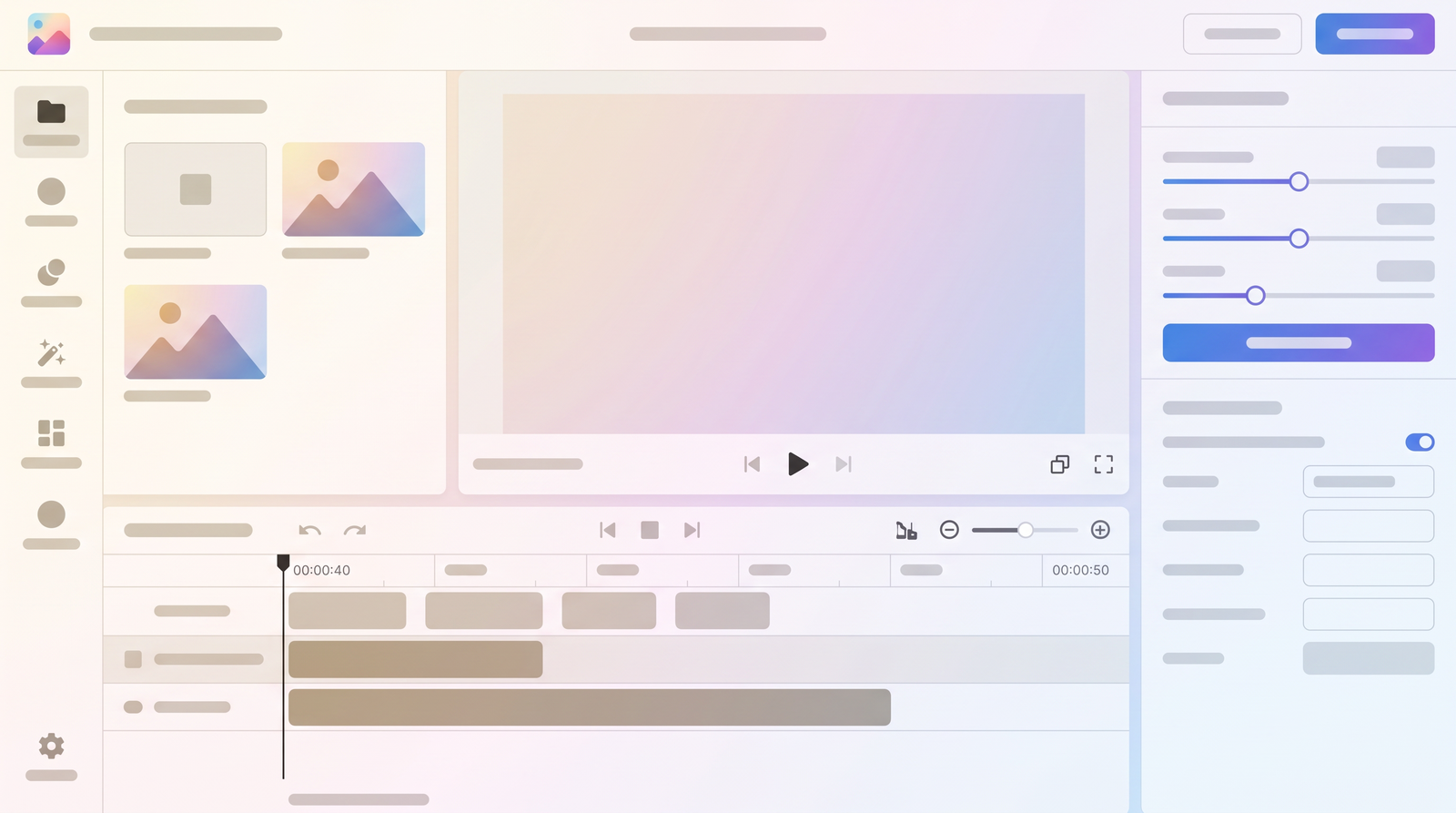
Getting started with PromeAI is surprisingly straightforward, which was a pleasant discovery for me. The user workflow is designed to be intuitive, allowing for quick visualization without a steep learning curve. When you first open the platform, you're usually presented with clear options for your input method. You can choose to upload a hand-drawn sketch, input descriptive text, or even bring in a 3D model.
Let's say you're working with a sketch. You simply upload your image, and then you're often given a range of styles or parameters to guide the AI's generation. This might include specifying a particular architectural style, a material finish, or even a mood for the scene. The interface makes it easy to select these options with a few clicks. Once your input is ready and any desired parameters are set, you hit the generate button.
The AI then processes your input, and in a relatively short amount of time, it provides you with generated images. What impressed me was how quickly I could go from a rough idea to a visually rich concept. The platform emphasizes ease of use, meaning you don't need to be an expert in AI prompts or complex software. It truly feels like a tool built for rapid iteration and visualization, allowing you to experiment with different ideas and see immediate results. This quick feedback loop is invaluable for anyone in a design-centric role, significantly speeding up the conceptualization phase of any project.
PromeAI Pricing and Plans
When considering any AI tool, understanding its pricing structure is crucial, and PromeAI is no exception. From what I’ve gathered, PromeAI operates on a subscription model, with costs ranging roughly from $16 to $79. The exact details of what each tier includes aren't explicitly laid out in the research I reviewed, but this range suggests different levels of access, features, or perhaps credit allocations for generations.
It's important to note that while some online discussions might imply PromeAI offers a 'free' experience, the core capabilities and consistent access likely come with a paid subscription. There isn't clear evidence of a perpetually free tier in the information available, though many platforms in this space offer free trials or limited free credits to allow users to test the waters before committing. If you're looking to explore PromeAI, I'd highly recommend checking their official website for the most current and detailed information on any trial options or free access limitations.
To give you a general idea, here’s how a typical tiered pricing structure for an AI tool like PromeAI might look, based on the provided range. Keep in mind that specific features and credit allowances would vary significantly by the actual plan:
| Plan | Price (Approx. Monthly) | Best for |
|---|---|---|
| Basic Access | $16 - $29 | Hobbyists, students, or those with occasional needs for quick visualizations and limited generations. |
| Pro Creator | $30 - $59 | Individual designers, architects, or content creators requiring more frequent use and advanced features. |
| Enterprise/Studio | $60 - $79+ | Larger teams, studios, or professionals with high-volume generation needs and access to all premium features. |
Ultimately, to make an informed decision, you'll want to visit PromeAI's official site. They will have the up-to-date breakdown of what each subscription tier offers in terms of generation credits, feature access, and any other benefits. This is especially true since AI tools are constantly evolving, and their pricing models can shift to reflect new capabilities or market demands.
PromeAI's Strengths: What Users Like
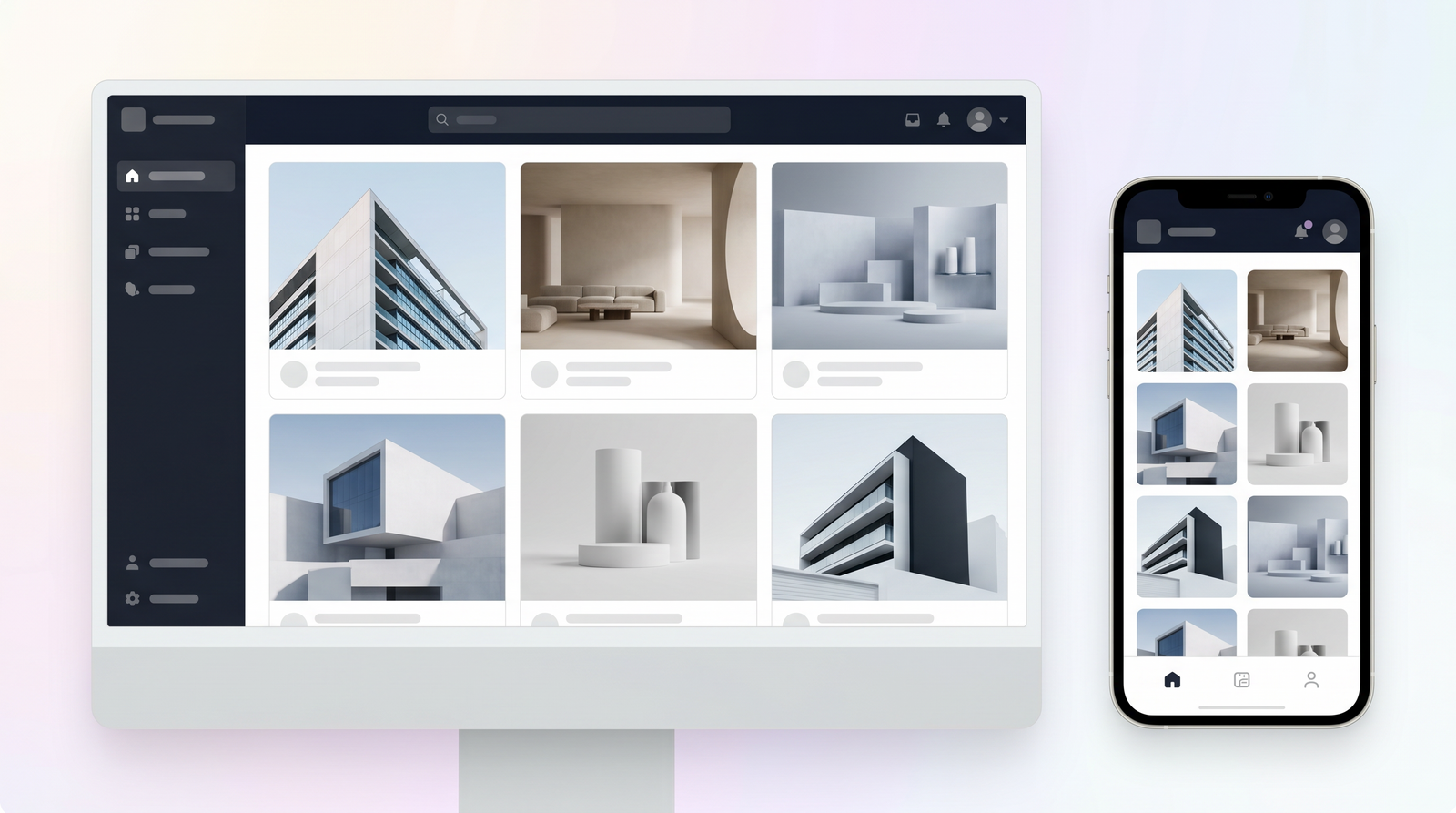
From my own experience and synthesizing user feedback, several key strengths of PromeAI consistently emerge. The first and perhaps most frequently praised aspect is its intuitive interface. I found it remarkably easy to navigate, even for someone who might not be deeply familiar with AI art generation tools. This ease of use significantly lowers the barrier to entry, allowing users to jump straight into creating without getting bogged down in complex menus or settings.
Another major strength is the platform's flexibility in design concepts. PromeAI isn't a one-trick pony; it can handle a wide array of styles and applications, from architectural renderings to fashion designs and abstract art. This versatility means it can adapt to various creative needs, making it a valuable tool for professionals across different industries. I appreciated being able to experiment with diverse visual styles from a single starting point, which really helps in the early stages of design.
Users also frequently highlight PromeAI's ability to enhance image rendering and editing. It doesn't just generate images; it can take existing rough visuals and elevate them to a higher quality, adding realism and detail that would otherwise require significant manual effort. This capability is particularly beneficial for refining initial concepts into presentation-ready visuals, saving a tremendous amount of time in the process.
Finally, the sense of continuous development is a recurring positive theme. The AI art generation space is rapidly evolving, and PromeAI seems committed to staying current, regularly introducing new features and improvements. This commitment to ongoing refinement ensures that the tool remains competitive and continues to meet the evolving demands of its user base, which is a reassuring factor for long-term users.
PromeAI's Limitations: Areas for Improvement
While PromeAI offers impressive capabilities, it's also important to address its limitations and areas where users, including myself, might find room for improvement. One significant recurring complaint that stands out from user feedback, particularly on platforms like Trustpilot, is the reported customer service experience. With a TrustScore of 2 out of 5 based on a small number of reviews, it suggests that some users have had less-than-satisfactory interactions when issues arise. Good customer support is paramount for any online service, and this is an area PromeAI clearly needs to strengthen to build greater user confidence.
Another point to consider is that while PromeAI is powerful, it does have limitations compared to traditional design tools. While it excels at rapid visualization and generating concepts, it's not a complete replacement for the granular control and bespoke customization offered by professional software like Adobe Photoshop, Blender, or CAD programs. For highly specific, intricate adjustments or complex multi-layered projects, you might still find yourself needing to export PromeAI's output into other applications for final finessing.
My own experience, while generally positive for quick ideation, sometimes highlighted the 'black box' nature of AI generation. While the results are often impressive, understanding *why* the AI made certain design choices or having the ability to precisely steer it in a very specific, nuanced direction can sometimes be challenging. This isn't unique to PromeAI but is a general characteristic of many generative AI tools currently. For users who demand absolute control over every pixel, this can occasionally be a source of frustration.
In summary, while PromeAI delivers on its promise of rapid visual generation, potential users should be aware of the reported customer service issues and the inherent limitations of AI compared to the precise control offered by traditional, human-driven design software. These aren't necessarily deal-breakers, but they are important considerations when integrating PromeAI into a professional workflow.
Who Benefits Most from PromeAI? Use Cases
Having spent time with PromeAI, it's clear to me that certain professions and creative roles stand to benefit immensely from its capabilities. The tool really shines for individuals and teams who need to visualize concepts quickly and produce high-quality renderings without the extensive time commitment typically associated with manual design processes. It's not just a fancy gimmick; it's a genuine productivity enhancer for specific use cases.
Architects and interior designers are among the primary beneficiaries. Imagine being able to take a rough sketch of a building facade or an interior layout and instantly transform it into a photorealistic architectural render. PromeAI allows them to rapidly prototype different design options, experiment with materials and lighting, and present compelling visuals to clients in a fraction of the time it would take with traditional rendering software. This speed allows for more iterations and better client communication.
Similarly, product designers can leverage PromeAI to visualize new products from simple drawings or 3D models. They can quickly see how different textures, colors, and environments affect the product's appearance, accelerating the design development cycle. For example, a designer could sketch a new gadget, and PromeAI could render it in various settings, from a sleek office to an outdoor adventure scene, helping to refine the product's aesthetic and market positioning.
Lastly, content creators and marketers, especially those in the fashion industry, find immense value. The ability to generate AI fashion models means creators can visualize garments on diverse body types and in different poses without the logistical challenges and costs of traditional photoshoots. This speeds up content creation for social media, e-commerce, and promotional materials. Beyond fashion, any content creator needing unique imagery for articles, presentations, or social media can use PromeAI's text-to-image or sketch-to-image features to generate bespoke visuals that perfectly match their narrative, making their content stand out.
PromeAI vs. Alternatives: How it Compares
In the rapidly expanding landscape of AI design tools, PromeAI carves out a distinct niche, particularly with its emphasis on transforming sketches and 3D models into high-quality renders. When I look at how it stacks up against other AI image, video, or 3D rendering generators, PromeAI's strength lies in its specialized focus on architectural and product visualization, alongside its versatile text-to-image and video capabilities.
Many general-purpose AI image generators, while excellent at creating artistic or imaginative visuals from text prompts, might not offer the same level of realistic rendering for architectural or industrial design concepts from a sketch input. PromeAI's ability to take a rough drawing and produce a polished, realistic render is a significant differentiator. It feels more geared towards practical design applications where realism and adherence to a structural concept are paramount, rather than purely artistic expression.
Compared to dedicated 3D rendering software, PromeAI offers a much faster, AI-driven workflow for visualization, though it might not provide the same depth of manual control over every minute detail. It's a tool for quick, high-quality output, rather than intricate 3D modeling and animation. For those who need to quickly iterate on design ideas and produce compelling visuals without deep expertise in complex 3D suites, PromeAI presents a compelling alternative.
While the market is flooded with tools that offer AI image or video generation, PromeAI distinguishes itself by making the transition from conceptual input (sketches, 3D models) to realistic output exceptionally smooth and intuitive. It's designed to streamline specific professional workflows, offering a more tailored solution for architects, designers, and fashion creators than many of its broader AI counterparts. You can see how it stacks up against alternatives on Top10k.
Security and Privacy with PromeAI
In today's digital age, security and privacy are paramount, especially when entrusting creative work to cloud-based AI tools. My review of PromeAI's security profile, as highlighted by Nudge Security, provides a reassuring level of detail that addresses many common concerns. It's good to know that PromeAI takes these aspects seriously, offering users a transparent view of its practices.
The security assessment notes PromeAI's adherence to various compliance standards, including GDPR compliance, which is crucial for users concerned about data protection and privacy regulations, particularly in Europe. This indicates a commitment to handling user data responsibly. Furthermore, PromeAI provides clear links to its Terms of Service and Privacy Policy, allowing users to fully understand how their data is collected, used, and protected. This transparency is vital for building trust with its user base.
Regarding its infrastructure and supply chain, PromeAI leverages reputable cloud service providers. Its supply chain includes well-known entities like Cloudflare and Amazon Web Services (AWS) for hosting and content delivery, which are industry leaders in security and reliability. The use of Google Analytics and Google Tag Manager is also noted, common tools for website analytics and marketing, which users should be aware of in terms of data collection for improving services.
The security profile also touches upon PromeAI's internal security program, mentioning support for various security certifications like PCI, HIPAA, SOC 2, ISO 27001, FedRamp, and CSA Star Level 1. While the source describes these as part of what Nudge Security assesses, implying PromeAI's system is evaluated against these standards, it paints a picture of a service that is mindful of robust security practices. Additionally, for user authentication, PromeAI supports login via Google and Microsoft, along with various two-factor authentication (2FA) options, including SMS, email, hardware, software, TOTP, and U2F, offering multiple layers of account protection. This comprehensive approach to security and privacy should provide users with confidence in the platform.
The Verdict: Is PromeAI Worth It?
After exploring PromeAI's features, workflow, and user feedback, my verdict is that it offers significant value for a specific segment of users. It's a powerful tool for rapid visual conceptualization and high-quality rendering, particularly if you're in a field that benefits from quickly transforming sketches or text into polished images and videos. The intuitive interface and diverse capabilities, especially for architectural renders and AI fashion models, are definite strengths that I found quite impressive.
However, it's crucial to weigh these benefits against some of its reported limitations. The concerns around customer service, as reflected in a lower TrustScore, are something to consider. While the tool itself is robust, the support experience can be a critical factor for users encountering issues. Additionally, while PromeAI excels at speed and quality for its defined use cases, it doesn't entirely replace the fine-grained control offered by traditional, dedicated design software for highly complex projects.
Who should consider using PromeAI? If you are an architect, interior designer, product designer, or a content creator who frequently needs to visualize concepts, iterate quickly on designs, and produce realistic renders without investing heavily in complex software or manual rendering time, then PromeAI is absolutely worth exploring. Its ability to streamline the creative process and produce compelling visuals rapidly makes it a valuable asset for professionals and enthusiasts alike.
PromeAI excels as a rapid visualization tool, turning concepts into high-quality renders with remarkable ease, making it a strong contender for designers and creators focused on efficiency.
Ultimately, for its target audience, PromeAI presents a compelling value proposition. The pricing, ranging from approximately $16-$79, seems reasonable given the time savings and quality of output it can deliver. While customer service is an area for improvement, the core product delivers on its promise. If your workflow demands quick, high-fidelity visual outputs from diverse inputs, and you're willing to integrate it with other tools for ultimate control, PromeAI is definitely a tool I would recommend trying out to see how it fits into your creative process.
Full profile and live ranking: https://top10k.com/ai/promeai
Published by

Top10k Tools is a suite of online utilities providing a wide range of free utilities created to simplify everyday tasks.
The platform covers content optimization, image processing, programming, calculations, and workflow tasks. Each tool runs right in the browser, making them quick to access anywhere.
The long-term vision is creating a complete library of 10,000 online utilities people actually need.
From freelancers to small teams, Top10k Tools has something useful. Find your next favorite tool.
Frequently asked questions
What is PromeAI primarily used for?
PromeAI is primarily used as an AI art and video generator that transforms sketches, text, and 3D models into high-quality visual outputs. It's particularly popular among architects, designers, and content creators for rapid visualization and rendering of concepts.
Does PromeAI offer a free plan or trial?
While some online discussions might suggest a 'free' aspect, the research does not explicitly confirm a perpetually free tier. Most of PromeAI's core capabilities appear to be part of a paid subscription. It's common for such services to offer free trials or limited credits, so checking their official website for current trial options is recommended.
How much does PromeAI cost?
PromeAI operates on a subscription model, with pricing generally ranging from approximately $16 to $79 per month. The specific features and credit allocations vary by subscription tier, so it's best to consult PromeAI's official website for detailed and up-to-date pricing plans.
Is PromeAI easy to learn and use?
Yes, PromeAI is frequently praised for its intuitive interface and ease of use. Users, including myself, have found it straightforward to navigate and quickly generate visuals from sketches or text prompts, making it accessible even for those without extensive AI tool experience.
How does PromeAI compare to other AI art generators?
PromeAI distinguishes itself by focusing on transforming conceptual inputs like sketches and 3D models into realistic renders, particularly for architectural and product design. While many AI generators focus on artistic text-to-image, PromeAI offers a more specialized approach for practical design visualization, prioritizing speed and high-quality output for specific professional workflows.
What are the main limitations of PromeAI?
The primary limitations of PromeAI include reported issues with customer service experience, as indicated by a low TrustScore. Additionally, while powerful for rapid visualization, it may not offer the same granular control and detailed customization as traditional, dedicated design software for highly complex or intricate projects.
Is PromeAI secure and private?
Based on security assessments, PromeAI adheres to GDPR compliance and provides clear terms of service and privacy policies. It uses reputable infrastructure like AWS and Cloudflare and supports robust authentication methods, including various two-factor authentication options, indicating a commitment to user security and privacy.